
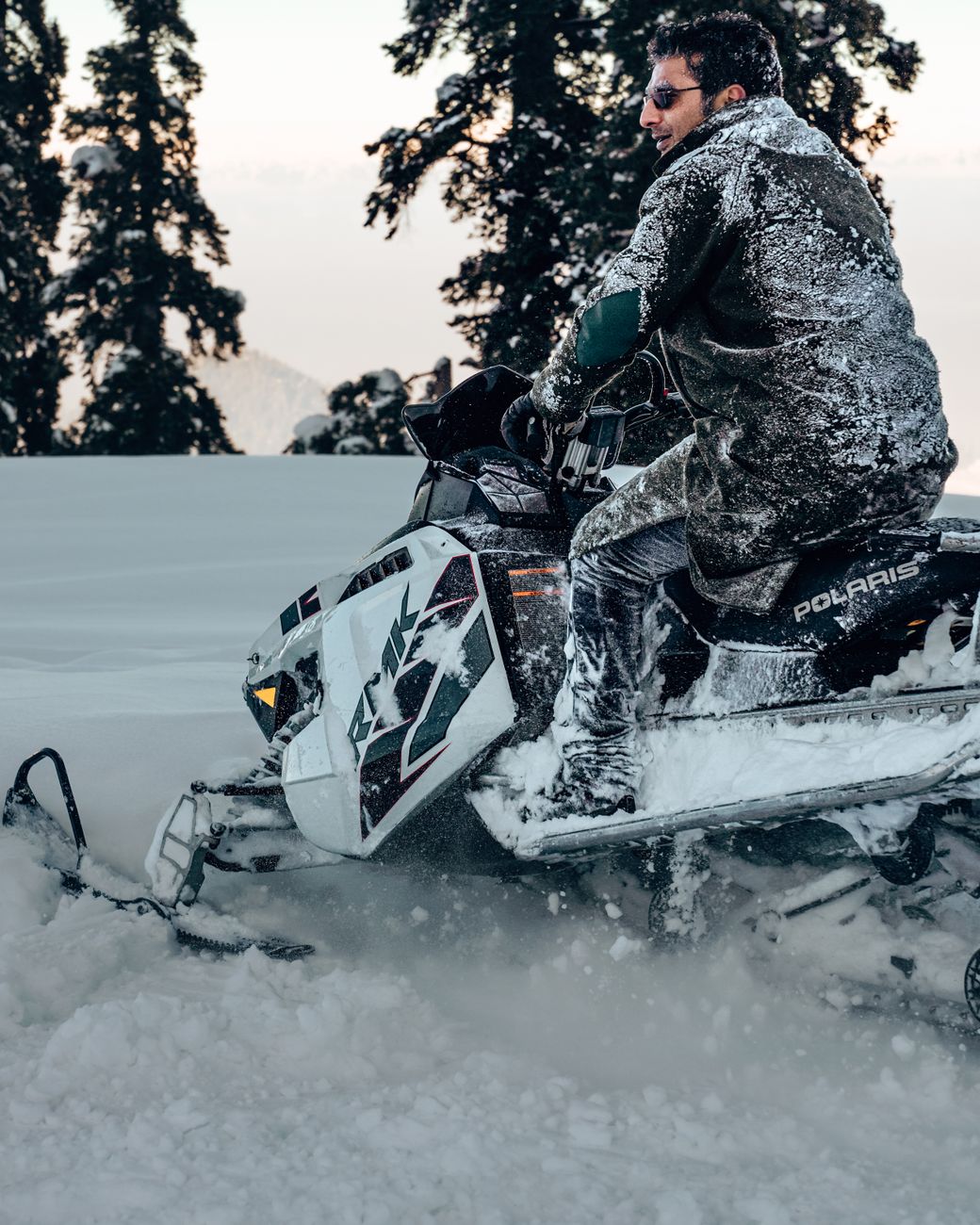
For snowmobilers, Vermont offers something that is increasingly difficult to find in the Northeast: a vast, interconnected trail system where riders can travel for hundreds of miles without constantly having to load their sled onto a trailer.
At the center of it all is the Vermont Association of Snow Travelers, better known as VAST.
VAST is a nonprofit organization that administers Vermont’s Statewide Snowmobile Trail System, working with more than 100 local snowmobile clubs and thousands of landowners to maintain and groom nearly 5,000 miles of trails across the state.
The result is one of the Northeast’s premier destinations for snowmobile touring.
A Statewide Network
The VAST system stretches throughout Vermont, connecting communities from the Massachusetts border to Canada and from the New York border to New Hampshire.
Rather than operating as a handful of isolated riding areas, the system functions as an interconnected network. Riders can use trails to move between towns, access restaurants and lodging, reach fuel stops and connect with other trail systems.
Much of the appeal is simply the variety.
A ride might begin on a groomed rail trail before climbing into the Green Mountains, crossing a remote forest road and eventually dropping into a small Vermont village. The next day, riders can head in another direction and explore an entirely different part of the state.
VAST currently describes its network as nearly 5,000 miles of trails maintained and groomed through its statewide organization.
The Remarkable Part: Much of It Is on Private Land
One of the most unusual things about Vermont’s snowmobile system is where the trails run.
Approximately 80 percent of the VAST trail system crosses private property, according to VAST. More than 9,000 landowners allow snowmobilers to cross their property as part of the network.
That means the system depends on something that cannot simply be created by a state agency: cooperation.
Local snowmobile clubs work with landowners to obtain permission for trails, while volunteers maintain signs, bridges and trails and help keep the system functioning throughout the winter.
For riders, that comes with an important responsibility.
A VAST trail is not a permanent public trail in the traditional sense. It is a winter-use trail, and permission to snowmobile does not automatically extend to hiking, mountain biking, ATV riding or other activities outside the authorized season.
Staying on marked trails, respecting posted closures and treating landowners’ property with care are essential to keeping the network open.
Local Clubs Are the Backbone
Although VAST provides the statewide organization, much of the work happens locally.
More than 100 affiliated clubs operate throughout Vermont, from the Northeast Kingdom and northern Green Mountains to southern Vermont. These clubs are responsible for much of the hands-on work that makes the system possible.
That includes grooming, maintaining trails and bridges, installing and maintaining signage, working with landowners and responding to changing conditions.
For riders, joining a local club is more than simply paying a membership fee. It is one of the ways the entire system is supported.
VAST says its clubs and volunteers, along with the landowners who provide access, are the backbone of the trail network.
Why Vermont Is Such a Good Snowmobile Destination
Vermont’s geography is a major advantage.
The state sits far enough north and has enough elevation that winter conditions can be considerably better than those found farther south in New England. VAST notes that Vermont receives roughly 100 to 250 inches of snow annually depending on location and elevation.
The Green Mountains also create an enormous variety of terrain.
The state’s trail network passes through forests, mountain valleys, open farmland, remote backcountry areas and small communities. Some rides are relatively mellow and scenic, while others offer more elevation and challenging terrain.
And because the system is so interconnected, riders can plan anything from a short afternoon outing to a multiday touring adventure.
That’s one of the biggest advantages of Vermont for snowmobilers: the ride itself can be the destination.
Rail Trails Are Part of the Experience
Some of Vermont’s most interesting snowmobile routes follow former railroad corridors.
Many of the state’s rail trails become part of the VAST system during the winter, with local clubs grooming them when conditions permit.
These corridors can provide relatively smooth riding while also connecting communities and creating natural touring routes.
They are particularly useful for riders who want to put together longer trips without spending the entire day navigating complicated trail connections.
When Is the VAST Season?
Vermont’s snowmobile season generally runs from December 16 through mid-April, although actual trail openings and closures depend heavily on snow and trail conditions.
That distinction is important.
A calendar date does not mean every VAST trail is automatically open. VAST can delay opening or temporarily close trails because of inadequate snow, poor conditions or other concerns. Vermont law also prohibits riding on the statewide system when trails have not been officially opened or have been temporarily closed.
Checking current conditions before every ride is essential.
What Do You Need to Ride?
Vermont requires snowmobiles operating on the statewide system to be properly registered and to display a valid VAST Trails Maintenance Assessment (TMA) decal, subject to limited exceptions.
Riders also need to meet applicable insurance and club membership requirements.
For out-of-state riders, Vermont provides a particularly attractive option: a snowmobile legally registered in another state or province generally does not need to be registered in Vermont, although a VAST TMA is required for riding the statewide trail system beyond certain limited access exceptions.
Before heading out, riders should check VAST’s current requirements and make sure their registration, insurance, TMA and club membership are all in order.
Use the VAST Trail Map
Planning a Vermont snowmobile trip is considerably easier than it once was.
VAST offers a statewide trail map and a mobile app showing trail conditions, services, points of interest, junctions and trail markers. An enhanced version also provides information such as grooming conditions and snow depth.
For a long-distance trip, this is an important resource. Conditions can change quickly, and a trail that was excellent a few days earlier may be closed because of weather, insufficient snow or landowner concerns.
It’s also worth remembering that not every trail connection should be assumed to be open simply because it appears on a map. Always check current conditions and official closures before riding.
The Real Attraction: Touring
For many snowmobilers, the biggest attraction of VAST isn’t a single famous trail.
It’s the ability to go somewhere.
You can trailer your sled to Vermont, unload and spend an entire weekend traveling from one community to another. You can stop for lunch in a small town, fuel up along the way, stay overnight at a trailside inn and continue the next morning.
That kind of trip is increasingly rare.
The VAST system turns snowmobiling into a form of winter exploration—a way to experience parts of Vermont that would be difficult or impossible to reach by vehicle during the winter.
And because the network extends across virtually the entire state, there is always another direction to explore.
A System Worth Protecting
The sheer size of Vermont’s snowmobile network can make it easy to forget how unusual it is.
Thousands of miles of trails don’t simply appear every winter. They exist because clubs maintain them, volunteers groom them, businesses serve the riders and, most importantly, landowners continue to allow snowmobiles to cross their property.
VAST’s system is ultimately built on that cooperation.
For riders, protecting it is simple: stay on designated trails, obey closures, respect private property, slow down around communities and other trail users, avoid littering and treat every landowner’s property as if it were your own.
Do that, and Vermont remains what generations of snowmobilers have come to appreciate—a place where winter doesn’t mean staying home.
It means going farther.